
Risk Analysis


This book provides a thorough understanding of the principles, methods, and applications of Hazard Identification (HAZID) in various industries. It aims to equip participants with the knowledge and skills to identify potential hazards systematically and proactively to enhance safety and mitigate risks. Discussed in this book is the fundamental concepts of hazard identification; various HAZID techniques and methodologies; skills to conduct HAZID studies and assessments; regulatory and industry standards related to HAZID and the applications of HAZID techniques in real-world scenarios.
Some Arab countries have good socioeconomic policies for the indigenous people. Both the UAE and Oman have implemented several policies aimed at promoting the welfare, economic security, and overall quality of life for their citizens. These policies focus on areas such as economic growth, social services, housing, education, healthcare, and employment. This same trends in social welfare packages are available in other GCC countries also.

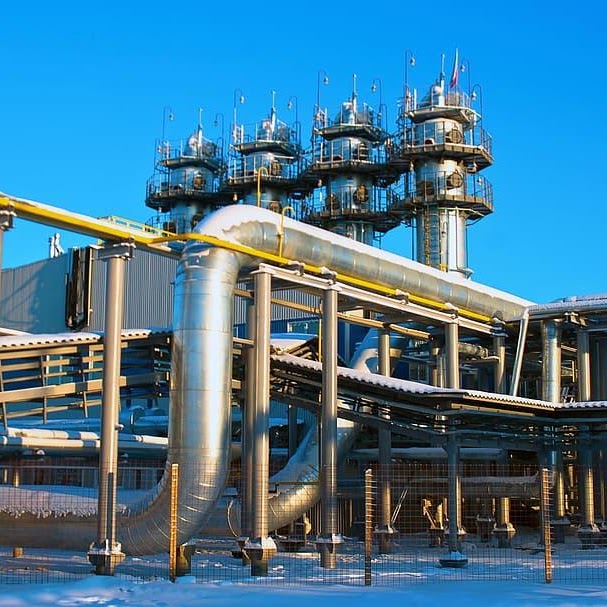
Definition and Objectives of Project Risk Management
Definition of Project Risk Management: Project risk management is a structured approach to managing potential uncertainties that may impact project objectives. These risks can arise from financial, operational, technical, environmental, or regulatory challenges. In the oil and gas industry, the stakes are high: risks such as oil spills, cost overruns, and safety incidents can have significant financial and environmental consequences. By proactively addressing risks, project teams can improve project outcomes, enhance safety, and protect the environment.
Objectives of Risk Management: The main objectives of project risk management in oil and gas are:
Risk Identification and Awareness: To understand and document potential risks that could impact the project.
Risk Assessment and Analysis: To evaluate the likelihood and impact of identified risks.
Risk Mitigation and Response: To develop strategies that minimize or eliminate risks to an acceptable level.
Continuous Monitoring and Improvement: To track risk exposure throughout the project lifecycle and adapt to changes.
Why Project Risk Management is Critical in Oil and Gas:
Safety and Environmental Impact: Risk management practices help prevent incidents such as spills, explosions, and leaks, which can cause harm to both people and the environment.
Financial and Operational Stability: Risk management safeguards against financial losses due to cost overruns, delays, and equipment failures.
Reputation and Regulatory Compliance: Oil and gas companies operate in a highly scrutinized environment where compliance and responsible management directly affect reputation and stakeholder confidence.
Importance of Risk Management in the Oil and Gas Industry
Complex and High-Risk Nature: Oil and gas projects involve diverse activities, from exploration and extraction to refining and transportation, each with unique risks. This complexity, coupled with the scale of investment, necessitates a thorough risk management process to protect project capital, maintain safety, and avoid costly delays.
Potential Consequences of Unmanaged Risks: In the oil and gas industry, risks can lead to severe consequences, including:
Environmental Disasters: Accidents like oil spills and gas leaks can have long-lasting environmental and economic impacts.
Human Safety Incidents: Due to the hazardous nature of operations, failure to manage risks can result in workplace accidents, injuries, and fatalities.
Financial and Legal Repercussions: Unanticipated delays and accidents often result in significant financial losses, including penalties, lawsuits, and increased insurance premiums.
Reputational Damage: The industry’s visibility means that incidents quickly attract media attention, affecting public perception and shareholder confidence.